
Construction Site Sanitation Guide
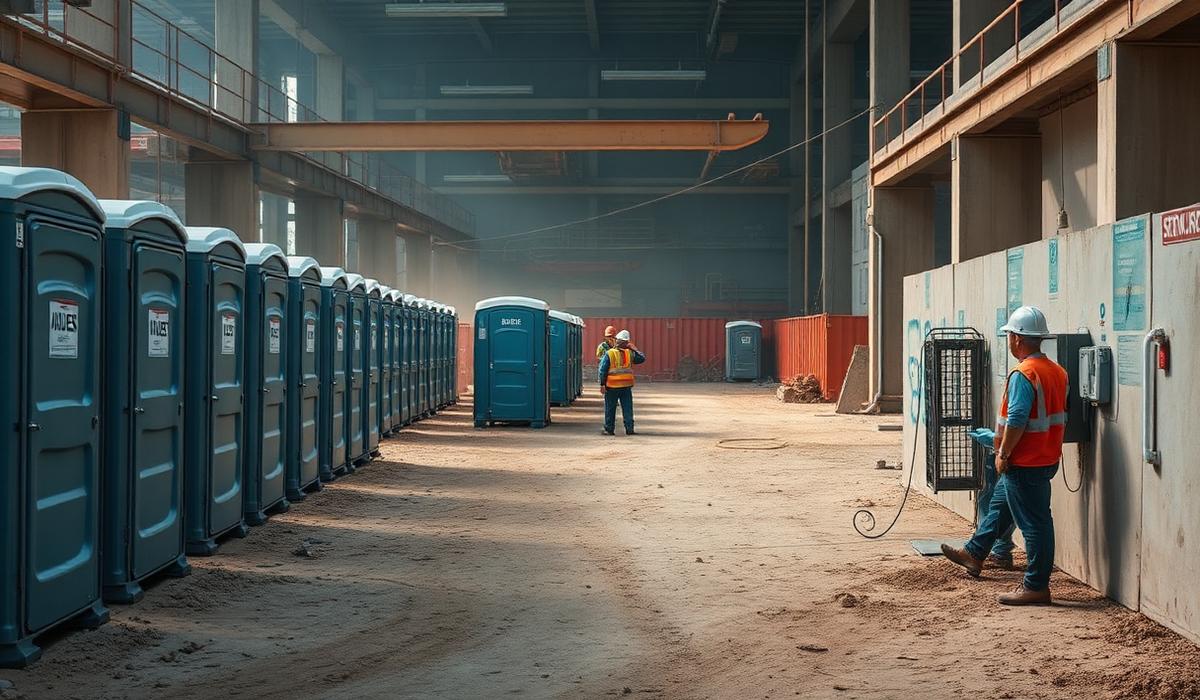
OSHA 1926.51 requires clean, accessible sanitation on every construction site — and getting the ratios, service schedule, and placement right protects your crew, your project timeline, and your compliance record. This guide walks through everything a project manager or general contractor needs to know about construction site sanitation in North Carolina.
OSHA Requirements at a Glance
OSHA 1926.51 (Sanitation) requires the following on every construction site:
- One toilet facility per 20 workers on 40-hour schedules
- Two toilets for 20–40 workers; three for 40–60; four for 60–80; five for 80–100; one additional per 40 workers beyond 100
- Handwashing facilities with potable water and soap on any site with 20+ workers
- Toilet facilities within a reasonable distance from work areas (typically 200-300 feet)
- Regular servicing to keep facilities in a sanitary condition
- Separate facilities for gender when both are present on site (or clearly designated single-user facilities)
Placement Best Practices
Unit placement affects both usage and compliance:
- Level, firm ground: Units should sit on level ground clear of trench zones and heavy equipment paths.
- Access for service trucks: Weekly pumping requires 8-12 feet of clearance for the service truck.
- Away from active work zones: Keep units clear of crane swing radii, active excavation, and material staging.
- Reasonable walking distance: Within 200-300 feet of work areas so crews actually use them.
- Well-lit for morning and evening use: Site lighting near unit placement improves usage rates during dark hours.
Sizing for Your Crew
The OSHA ratios above are minimums. For crew comfort and productivity, we recommend:
- One unit per 10 workers for crews working 10+ hour days
- Two units per 20 workers if the site has no other nearby restroom access
- Adding a deluxe flushing unit with interior sink for foreman/superintendent use
- Handwashing stations at a ratio of one per every three portable toilets, at minimum
Service Schedule Recommendations
Weekly service is the industry standard and OSHA-adequate for most sites. For higher-traffic sites (busy urban construction, multi-crew projects, hot summer months), twice-weekly service dramatically improves unit condition and worker experience. Emergency mid-week service is available on demand.
Winter Considerations
North Carolina winters are mild but cold snaps happen. Units are freeze-resistant thanks to holding tank chemicals, but consider:
- Freeze-guard chemical upgrades for units placed in exposed locations
- Windbreaks or partial enclosures for units at exposed sites
- Slightly higher chemical dosing during December-February
- Insulated handwashing stations to keep water tanks from freezing
Common Compliance Mistakes
The most frequent OSHA sanitation citations we see on Triad job sites:
- Under-counting workers when the crew grows mid-project (add units when crew expands)
- Skipping handwashing stations entirely (required at 20+ workers)
- Placing units too far from work areas so crews avoid them
- Inadequate servicing leading to unsanitary conditions
- Missing ADA-accessible units when required
Frequently Asked Questions
What's the OSHA fine for missing portable toilets?
OSHA sanitation violations under 1926.51 typically carry per-violation fines starting around $1,000 and escalating for repeat or willful violations. The bigger cost is usually crew productivity loss and the risk of a project shutdown.
Do subcontractors need their own units, or can we share?
General contractors typically provide portable toilets for all trades on site. The unit count is calculated on total worker headcount, not per subcontractor.
How do we handle sanitation for night-shift crews?
Night-shift crews count toward the total worker count for the day, so the same unit count applies. Ensure units are well-lit for night use, and consider additional evening servicing if crews run overnight consistently.
Are there special requirements for female workers on site?
OSHA requires separate facilities for gender when both are present, unless single-user (lockable) units are provided. Many sites use single-user units to satisfy this simply and inclusively.
How do we handle sanitation on a very remote site?
Remote sites often benefit from a self-contained deluxe unit with interior sink and larger holding tank, along with a scheduled twice-weekly service run. Talk to us about remote-site logistics — we serve rural placements throughout the Triad regularly.
Related Guides
Need a Portable Toilet in High Point?
Same-day delivery available. Trusted by contractors, event planners, and homeowners across the Piedmont Triad.