
Portable Toilet Placement Guide
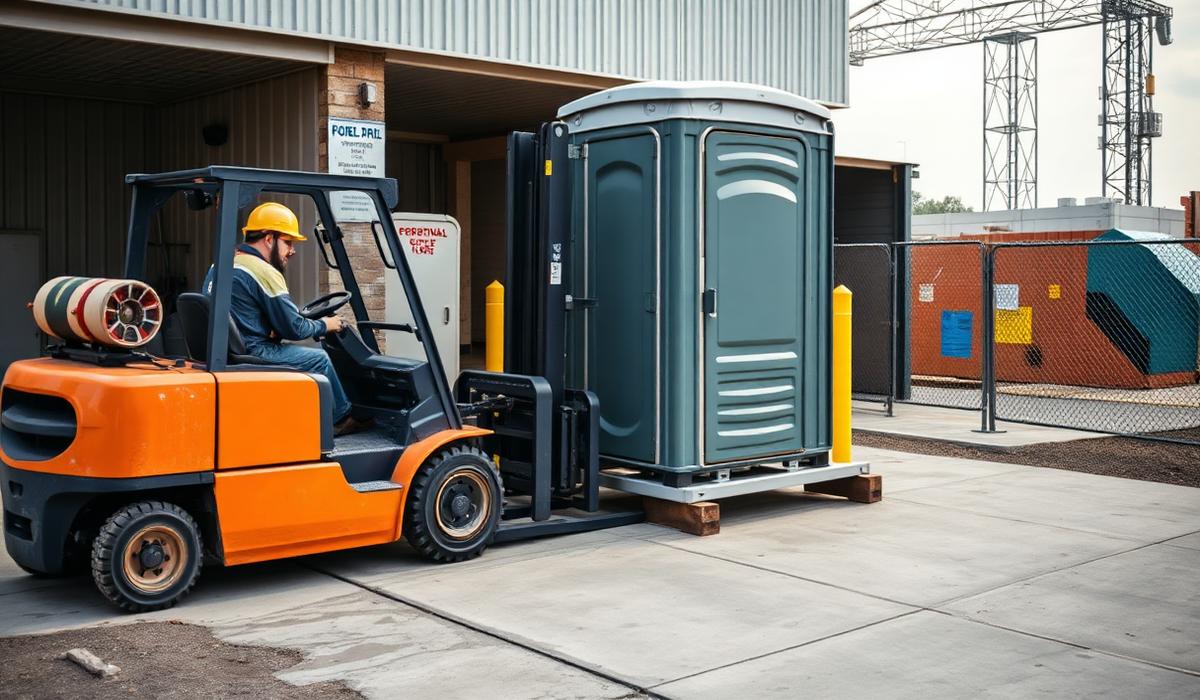
Where you place a portable toilet matters as much as what unit you rent. Good placement makes units get used, keeps them serviceable, protects them from weather and damage, and satisfies venue or municipal requirements. This guide covers portable toilet placement best practices for events, construction sites, and long-term commercial rentals.
Universal Placement Requirements
Every portable toilet placement needs:
- Level, firm ground: Grass, gravel, concrete, or asphalt all work. Very soft mud or steep slopes don't.
- Service truck access: 8-12 feet of clearance for the service truck within about 25 feet of the unit
- Solid delivery access: Our trucks need firm access to the placement area
- No overhead obstructions: Low branches, wires, or awnings can block delivery and servicing
Construction Site Placement
Construction placements should be:
- Clear of active work zones (trench edges, crane swings, equipment paths)
- Away from material staging that changes throughout the project
- Well-lit for early morning and evening use
- Reasonable walking distance from work areas (200-300 feet ideal)
- Positioned so wind doesn't blow doors open or debris into openings
Event Placement
Event placement balances accessibility and aesthetics:
- Behind natural screening (shrubs, decorative fencing) when possible
- Away from photograph focal points at weddings
- Clustered to distribute traffic — not one massive bank
- Well-lit for evening events
- Within 100-200 feet of gathering areas
- Not immediately adjacent to food service
Considerations by Ground Type
Different ground conditions need different approaches:
- Concrete/asphalt: Ideal — level and firm
- Firm turf/grass: Works well when dry
- Wet or soft ground: Consider gravel or plywood pads
- Sloped ground: We can level with blocks or seek an alternate spot
- Gravel: Fine, provided delivery truck can reach the area
Weather and Environmental Considerations
Placement affects weather resilience:
- Position units so prevailing wind doesn't force doors open
- Avoid low areas that flood after heavy rain
- Consider partial windbreaks in very exposed locations
- Direct sunlight increases interior heat — some shade is beneficial in summer
- Freeze-guard chemical upgrades for exposed winter placements
Regulatory and Permit Considerations
Some placements require municipal permits:
- Public sidewalks or right-of-way — right-of-way permit
- Public parks — special event or park permit
- Streets or road closures — municipal event permit
- Historic districts — additional review may apply
Private property placements (construction sites, backyards, farms, private venues) generally don't require permits.
Frequently Asked Questions
Can I move the unit after delivery?
No. Portable toilets should never be tipped, dragged, or lifted by anyone other than our service team. Contents can spill, chemicals can release, and units can be damaged. If placement needs to change, call us and we'll relocate on the next service visit at no charge.
What's the minimum space needed for placement?
A standard portable toilet needs about 4 feet by 5 feet of footprint plus door swing clearance. ADA units need about 8 feet by 10 feet. Restroom trailers vary — 2-stall trailers need roughly 20 feet by 12 feet with power/water access.
Can portable toilets be placed on grass?
Yes, on firm, dry grass. Soft or muddy ground may need a plywood or gravel pad to prevent sinking and tipping.
What if my venue has a very narrow driveway?
Our drivers routinely navigate tight urban and residential access. Provide driveway dimensions and access details when booking so we can match the right delivery vehicle.
Do I need to be on-site during delivery?
For construction and commercial placements, having a site contact available is helpful for placement confirmation. For events, our drivers can place per your provided diagram if you can't be there — we'll photograph placement for your records.
Related Guides
Need a Portable Toilet in High Point?
Same-day delivery available. Trusted by contractors, event planners, and homeowners across the Piedmont Triad.